


JOURNAL SNEAK PEEK: Havana Rediscovered
By Josh Silber: Havana is a majestic and mysterious city. To this day, there is no Google Street View, and even if you’ve seen photos, many Americans don’t quite know what to expect. Once on the ground, it doesn’t take long to get a good sense of the city. The architectural styles in Havana range from Grand Spanish Colonial to Art Deco, Mid-Century Modern, and Brutalist blocks, the latter built during the Soviet era after the 1959 revolution.

EDITOR’S WORD: Scandinavian Sign and Storefront Minimalistic Design — Not!
By Douglas Towne: I had low expectations for finding SCA material in the land of minimalism and simplicity, but I was surprised. Bergen was just the beginning of a series of dazzling vintage signs, storefronts, and midcentury façades, a small portion of which appears here.
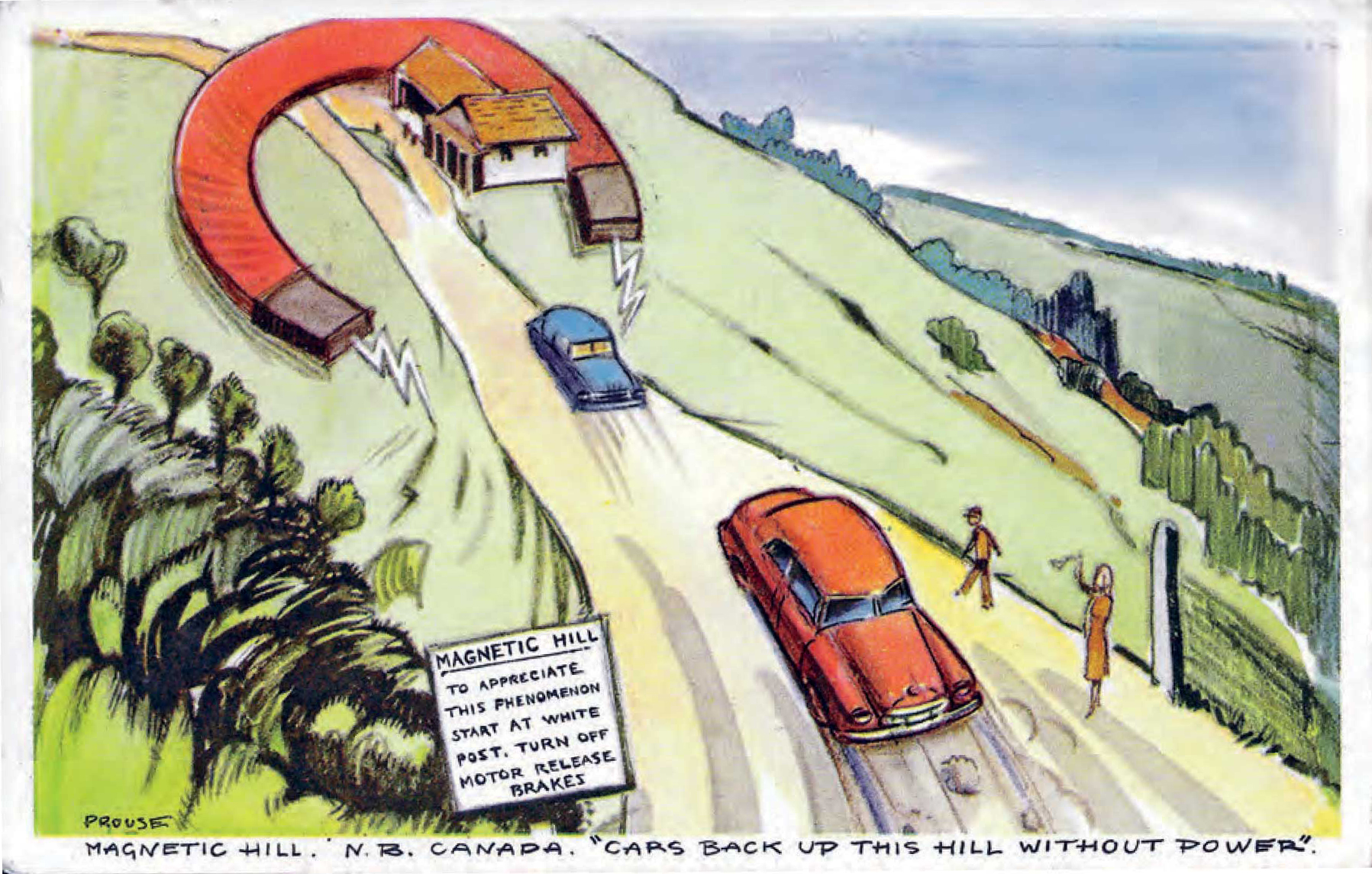
JOURNAL ARCHIVE: Magnetic Hill – Where Cars Coast Uphill Without Power
By Peter Glaser: Adventures in an automobile are a lot of fun: drive-in restaurants and theaters, streets of neon, and drive-through trees come to mind. And then there are magnetic or gravity hills—natural ‘road’ wonders—the most famous of which is in Moncton, New Brunswick (the geographic center of the Maritime Provinces).

SCA Pioneer Peter Richards Gone but Not Forgotten
By Douglas Towne: Peter Richards, 80, recently passed away at his home in Maine. He was described in his obituary as a “lifelong, beloved teacher, an enthusiastic prankster, and a creative, generous soul who counted ‘prospecting for gold in Greenland’ and ‘playing banjo for an X-rated movie soundtrack’ among his favorite odd achievements.” In Peter’s final months, he gave the SCA one last gift.

A Tale of Two Collections
By Frank Brusca: The SCA vintage image database has just grown by 1,000 images with the addition of the Peter Richards Roadside Collection. Collected over a lifetime, the Richards Collection complements the Jim Seelen Motel Images Collection. Feel free to dig in. But beware, you might just get lost in nostalgia trip.

SCA EDITOR’S WORD: A Noble and Miraculous Endeavor: Creating Casa Grande’s Neon Sign Park
By Douglas Towne: Casa Grande’s downtown park is a gas — neon gas, specifically. Its elements flicker to life at dusk, creating a buzz that lasts until 11 p.m. Whether an evocative name like Hotel Sacaton or a more pedestrian moniker like Goddard Shoes, the neon signs glow in the Arizona darkness as if drawn with a magical luminous pen.

JOURNAL EXCERPT: Ruminating on the Ruins of Fort Dells
By Kevin Patrick: There is a romance to ruins that mirrors the arc of life from inception to the apogee of achievement, and then the inevitable fade to decay. The apogee of achievement for this nature-reclaimed wreckage was once a Dells anchor attraction that drew more than a quarter of a million visitors in its peak year of 1972.

JOURNAL SNEAK PEEK: Astral Fountains and Rocket Throwers
By Gloria R. Nash: The 1964–65 fair’s theme, “Peace Through Understanding,” focused on achieving world peace through global interdependence. Exhibits featured 80 nations, 24 states, and 45 corporations. After the fair closed, most pavilions were demolished. Some pavilions, such as those of the United States, DuPont, and Greyhound, waited for years to be repurposed but were eventually razed.
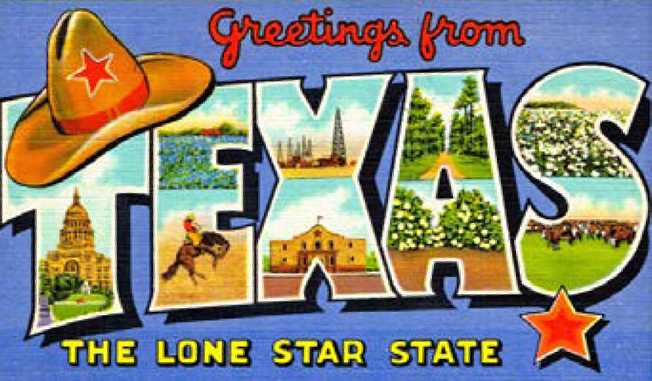
5 Faves: Grapevine, Texas
By Peter Glaser: I had never heard of Grapevine, Texas, until my wife asked if I wanted to tag along to a conference she attended there last year. A suburban city situated between Dallas and Fort Worth, Grapevine was a revelation.
