

The ‘dejoying’ of McDonald’s has lost me as a customer, and I’m not alone
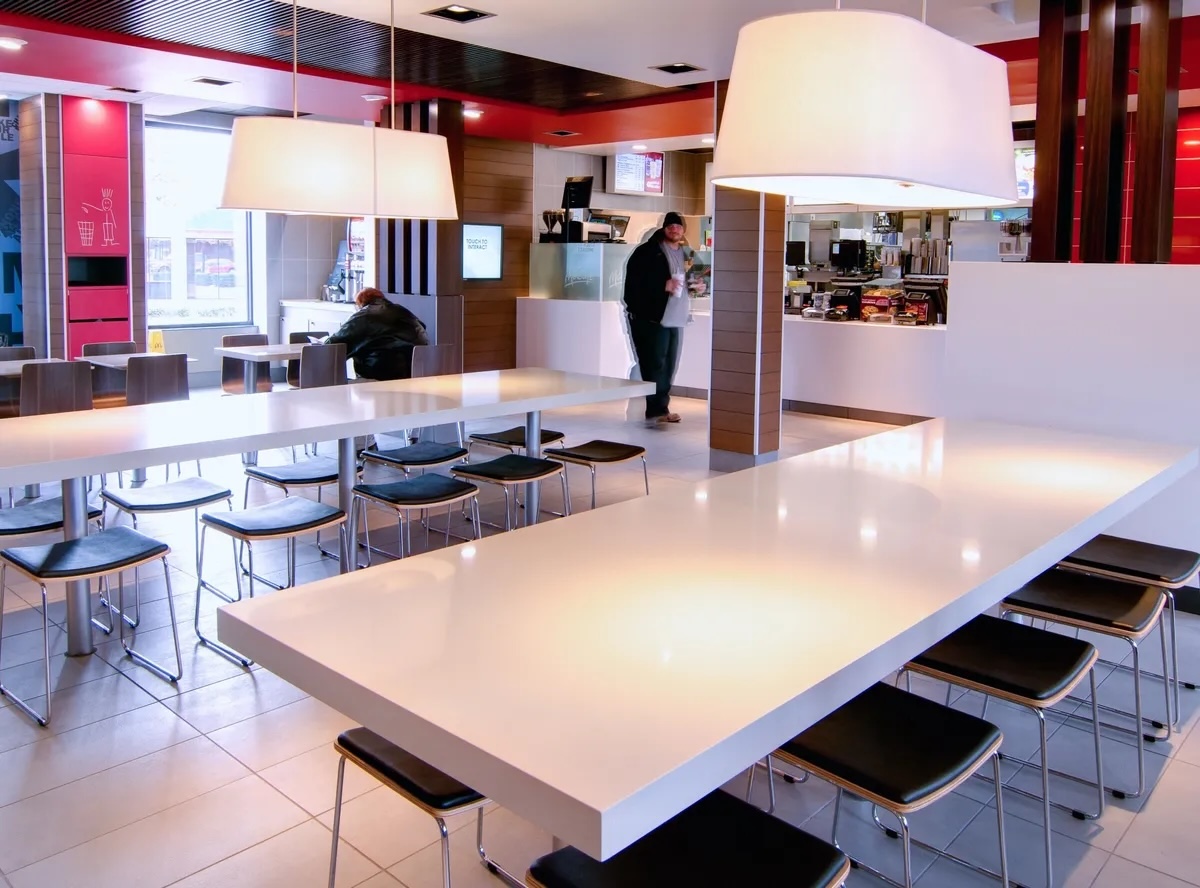
McDonald’s in Richardson, Texas: white laminate, black metal, wood-effect panels and not a character in sight (Image credit: McDonald’s)
From Creative Bloq: I was in a restaurant in Saitama, Japan, recently, and couldn’t stop staring at the walls. The owners of Toy Box Diner have spent years collecting vintage fast food ephemera: trays, posters, cups, packaging, toys and point-of-sale material from the golden era of Americana, from Disney to McDonald’s, all packed into a warm, chaotic, life-affirming space. The eyes of Ronald McDonald, Mayor McCheese, Grimace and the Professor all follow you around the room. It’s joyful and ridiculous, in equal measure.
Sadly, those artefacts document a design language that no longer exists. Bright primary colours, expressive characters, hand-painted murals and an unapologetic commitment to fun? Walk into a McDonald’s restaurant today and you’ll find none of that – it’s at odds with those iconic, vibrant golden arches.
Owners of Lindy’s Diner will move forward with the process to demolish Bliss Building
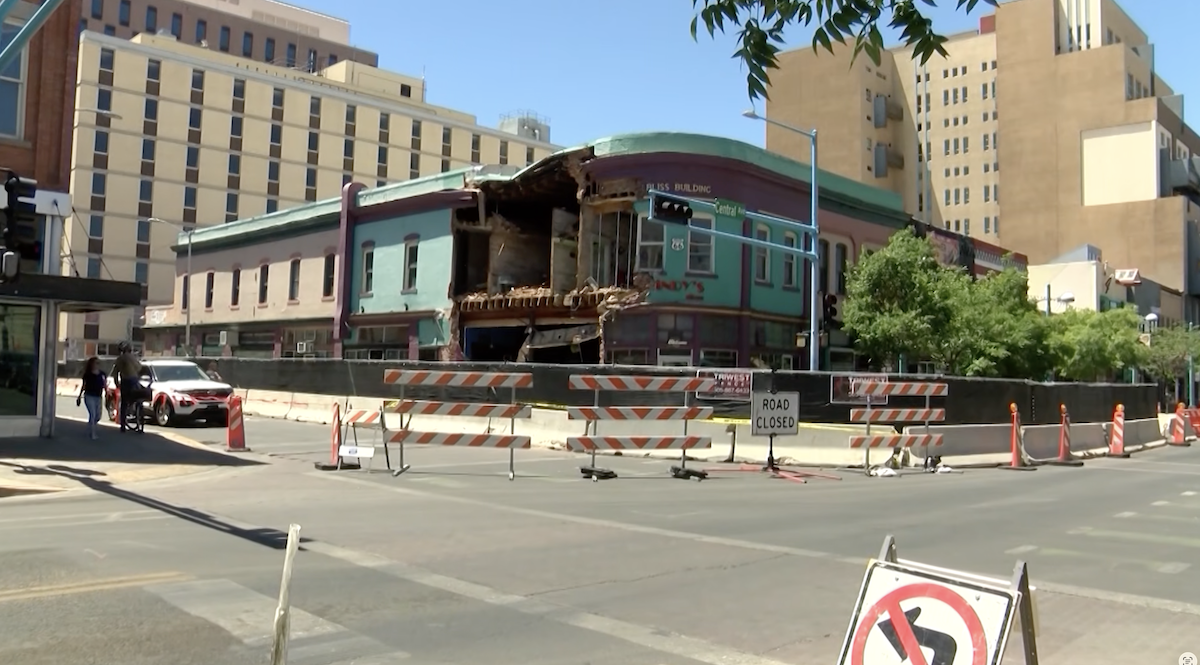
From KRQE: ALBUQUERQUE, N.M. – More than a month after the front wall of Albuquerque’s historic Bliss Building collapsed, it has been decided that the owners of the building will move forward with the demolition of the entire building. The 121-year-old building is home to Lindy’s Diner, which has become an icon on Route 66, but since late April, the whole intersection of Central and Fifth Street has been closed off. On Friday, the owners of the building secured a demolition permit, saying it’s been a difficult process.
‘Nothing behind me, everything ahead of me’: 6 essential stops along Route 66
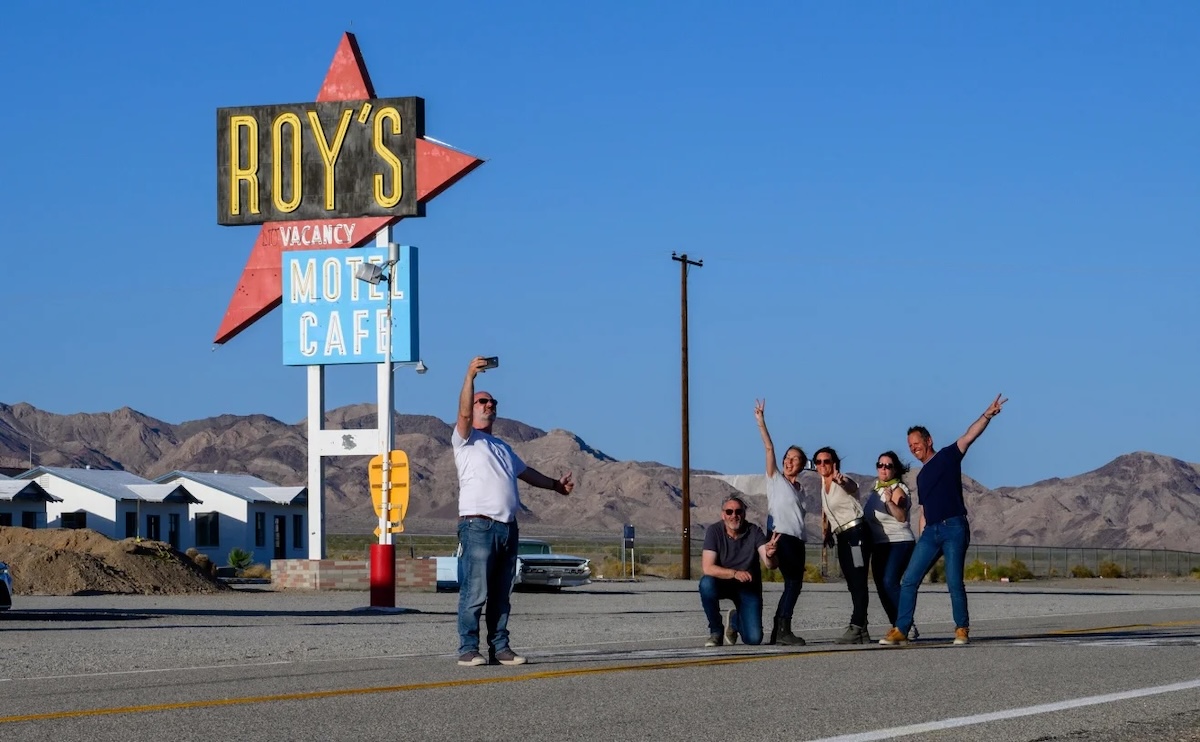
French tourists take a group selfie in front of the Roy’s Motel & Cafe sign on May 24, 2024, in Amboy, California. Gina Ferazzi/Los Angeles Times/Getty Images
From CNN: Route 66 is just one of the highways that features in “On The Road,” the Jack Kerouac book that introduced so many people to white-line wanderlust.
More than anything written about the iconic highway, it’s a quote from that book that personifies the almost mystical allure of America’s most famous road: “Nothing behind me, everything ahead of me.”
That’s exactly what Route 66 has meant to millions of travelers who have cruised all or part of the highway since its birth 100 years ago — freedom to make a fresh start, reinvent yourself, and leave your troubles in the rearview mirror.
Historic Boyd Theatre Marquee At Risk As Owner Seeks to Modernize Philadelphia Landmark

The Boyd Theatre’s marquee, one of the last remaining features of the historic 1928 Art Deco landmark, is now at the center of a new preservation dispute. Image via Jensen Toussaint, PHILADELPHIA.Today
From Philadelphia.Today: The Boyd Theatre has survived closure, a preservation battle, and the demolition of most of its auditorium, but now its iconic marquee may be next to go.
Pearl Properties, which owns Philadelphia’s last great downtown movie palace, wants to remove the theater-style marquee and modernize the recessed storefront, writes Jake Blumgart for The Philadelphia Inquirer.
The argument is that the current design has driven away potential retail tenants. However, for preservation advocates, that’s a step too far.
To the Delight of Many, Kingston, N.Y. Loses a Defining Feature
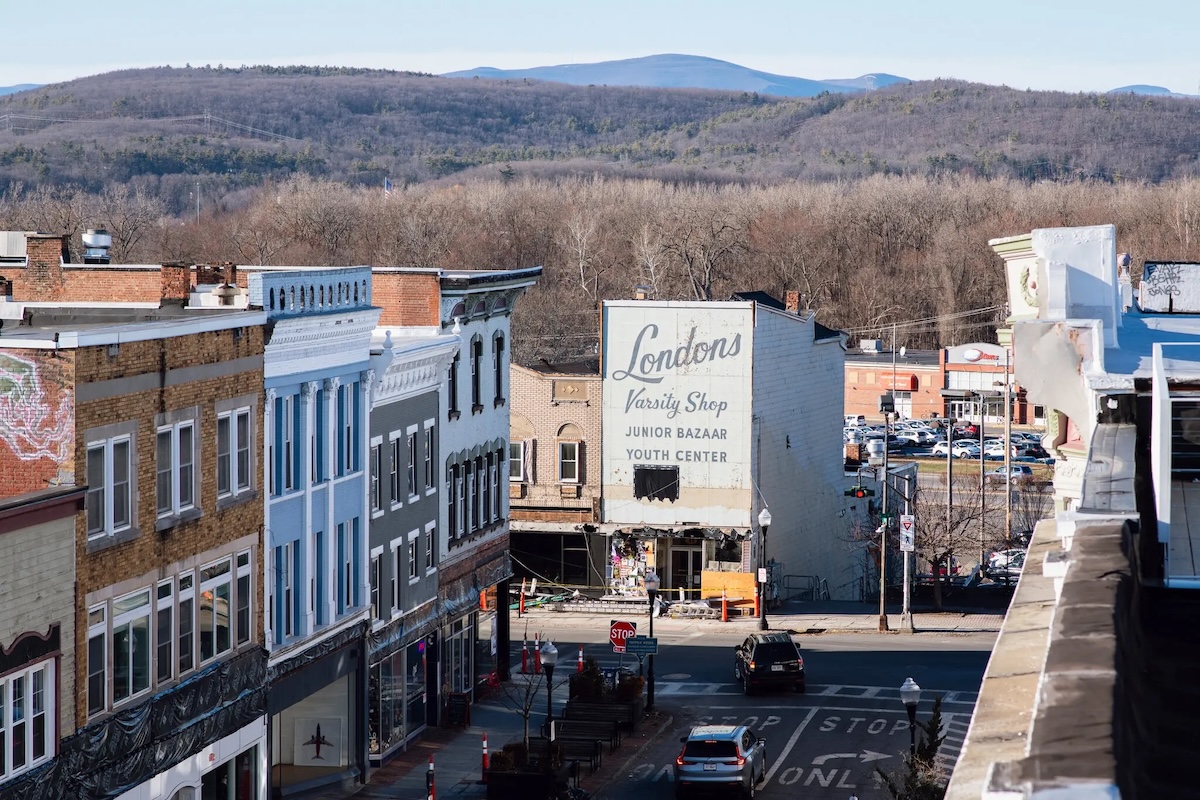
Dozens of buildings in Kingston, N.Y., have had parts of their facades torn off as part of a community-led refurbishment effort.
From The New York Times: Over the years, the historic Stockade District in Kingston, N.Y., has survived occupation by British forces, near-total destruction in the Revolutionary War and ravaging waves of cholera and yellow fever. But by the 1960s, the largest threat to its survival was the suburban shopping mall.
During the ’70s and ’80s, more than 100 downtowns from Poughkeepsie to Mesa, Ariz., installed pedestrian plazas or sidewalk canopies in a scramble to compete with the rise of malls. Covered sidewalk structures were sometimes accompanied by “slipcovering” — metal panels hiding fully intact masonry facades, windows and all.
In the mid-1970s, the Kingston Urban Renewal Agency adopted the trend, bolting a series of continuous sidewalk canopies onto the exteriors of 44 commercial buildings in its Uptown business district. The concept was to unify the neighborhood into its own kind of mall, with a turn-of-the-19th-century motif and a hedge against rainy days.
Murray’s Sturgeon Shop Completes Restoration of Its Iconic Sign

The restored Murray’s Sturgeon Shop sign. Photo by Gus Saltonstall
From West Side Rag: Murray’s Sturgeon Shop completed the restoration last week of its iconic sign.
It is the first time in 80 years that the business fully dismantled the sign and rehabbed it, while also adding a protective seal.
Check out the original story below.
Grain Belt sign in downtown Minneapolis has been part of the city’s skyline for more than 80 years

WCCO
From CBS News: Where downtown Minneapolis meets the Mississippi River, spring is in full swing. Trees are turning green, the river is rushing by and standing above it all like a nostalgic sun is the Grain Belt sign.
The iconic sign has been a part of the city’s skyline for more than 80 years. It’s a staple that has quite a history.
“At one point in time there were five of those signs in Minneapolis,” said Kyle Marti of August Schell Brewing Company.
This is the last one standing. It was put up in 1941 for the Marigold Ballroom and then moved to its current location on Nicollet Island in 1950. Back then, ad placement was huge, literally.
This Film Provides a Trapezoidal Window Into Former Pizza Huts
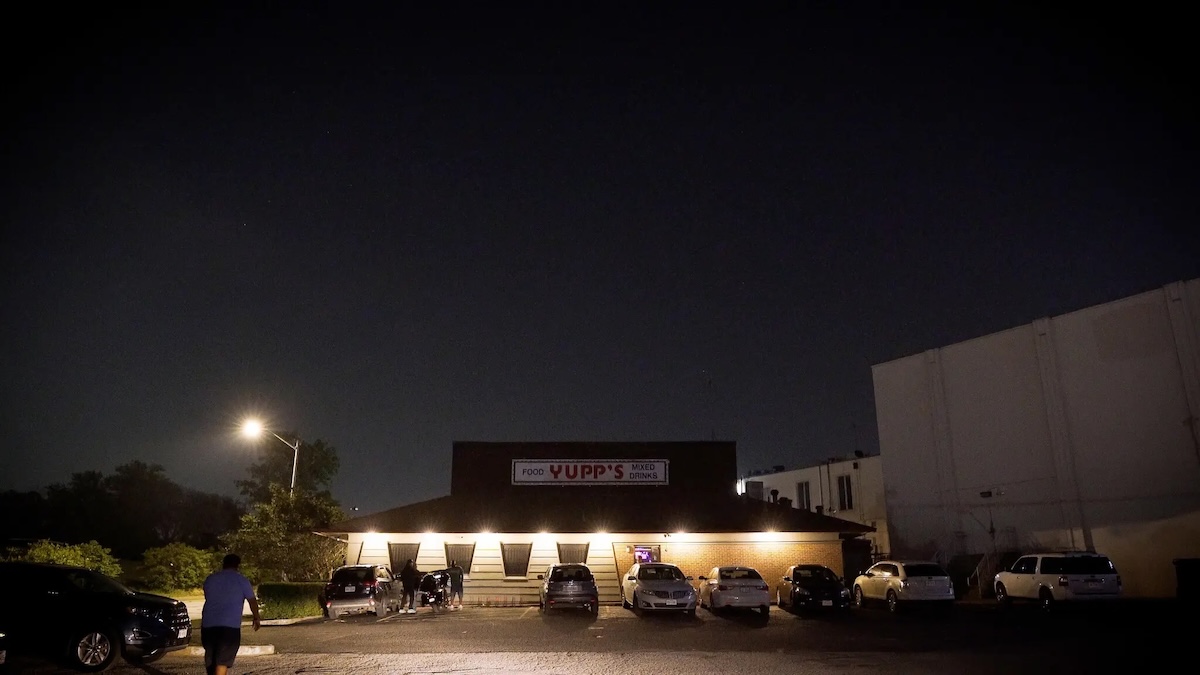
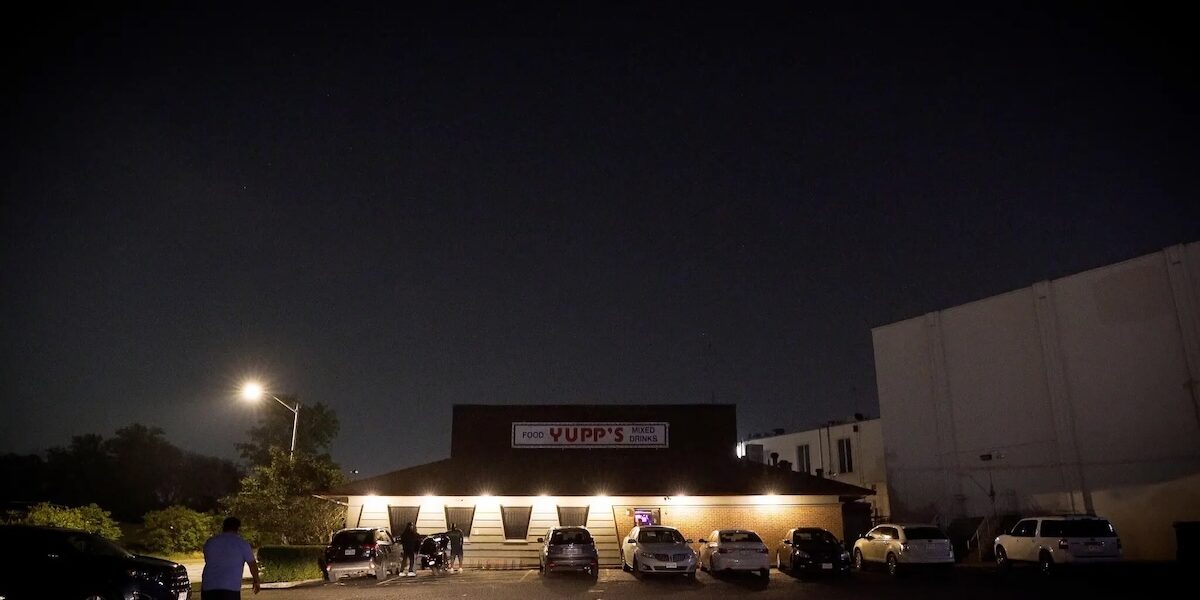
Yupp’s karaoke bar in Fort Worth. Urtext Films
From The New York Times: In 2023, Rose Tucker and Matthew Salleh, a Brooklyn couple who make documentary films about seemingly ordinary subjects (dogs, barbecue), were throwing out ideas for their next project when they remembered a long-running blog they liked, Used to Be a Pizza Hut. The conceit was simple: photos of businesses that had moved into and retrofitted former locations of the pizza chain.
The visual joke worked because Pizza Hut, with its two-tiered red roof and trapezoid windows, has such a distinctive design, and because after the company transitioned in the late 1990s to a “delco” model — industry jargon for delivery and carry out — a lot of the dine-in locations closed, leaving them as orphaned real estate.
Many became other restaurants, often Mexican or Chinese, and not a few pizzerias, but the businesses varied widely: a flower shop; a liquor and tobacco store; a used-car lot; multiple funeral homes.
Inspired by the blog, Salleh, 42, began to wonder, “Who are the people that converted these buildings? Was this their dream? A thing of opportunity?”