


THE ROMANCE OF THE GAS-STATION SIGN
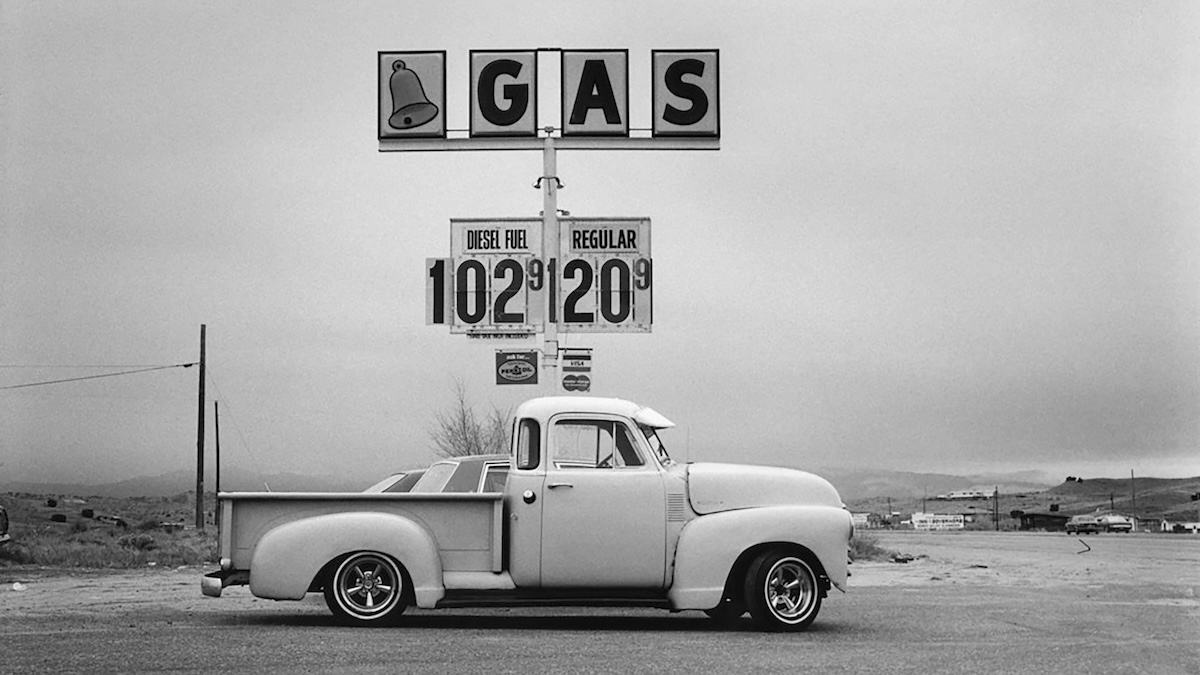
Raymond Depardon / Magnum Photos
From The Atlantic: Adorning urban intersections and rising high at countryside interstate exits, the gas-station sign announces the mood of the consumer economy. For the past several weeks, the economic ramifications of the Iran war have been more or less universally represented through photographs and videos of them. It’s easy to see why: The price of gasoline is always displayed on the sign, in huge numbers that overwhelm the rest of the scene. That design, which is unlike anything else in the economy, makes the gas-price sign a kind of key to understanding American life.
Long before financial data were easily trackable in real time, gasoline offered a view of shifting market forces, seen while commuting to work or driving home from Kmart. In the analog era, workers replaced the numbers on reader boards multiple times a day, occasionally from high up on ladders. Eventually, the signs were digitized and prices were lit up in LED displays—easily changeable and neon at night.
Vintage Lincoln Highway neon signs find a new home at museum
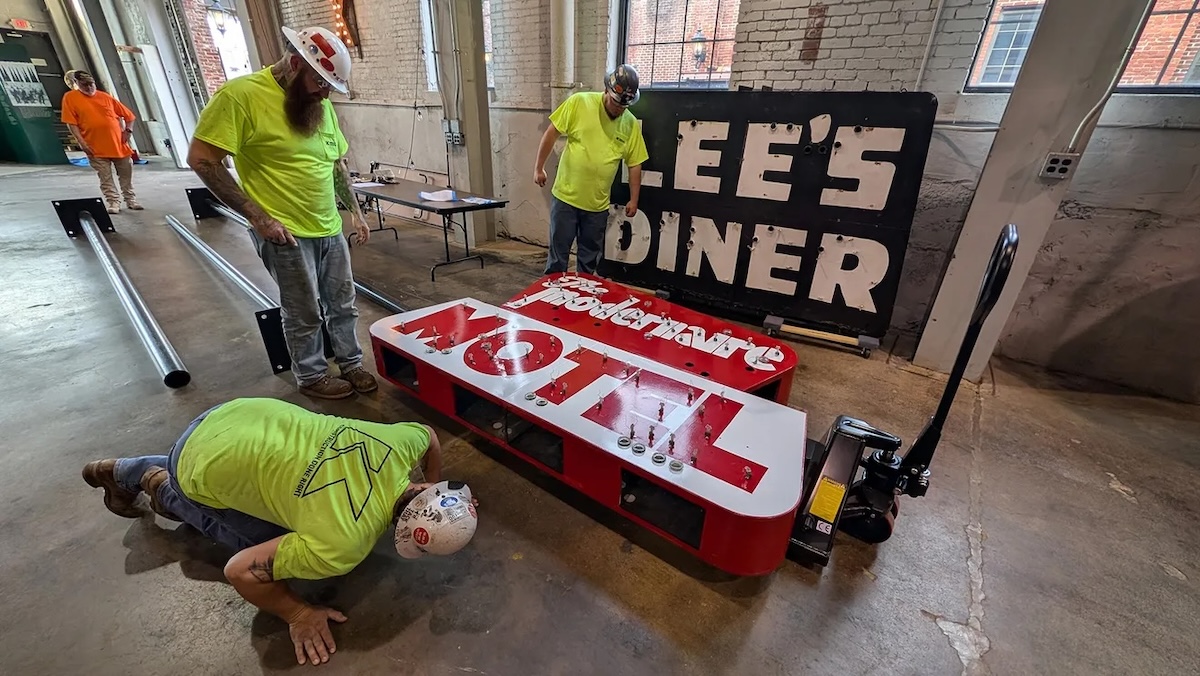
Kinsley Construction prepares to mount the Modernaire Motel and Lee’s Diner signs at the Agricultural & Industrial Museum in York April 15, 2026. The signs will have their neon installed soon. Paul Kuehnel / York Daily Record
From the York Daily Record: The Moderaire Motel and Lee’s Diner neon signs were hoisted into the air inside the York County History Center’s Agricultural & Industrial Museum on April 15 by Kinsley Construction as they were mounted on their permanent display posts.
The mid-century icons of the Lincoln Highway will be fitted with white and red neon to match their earliest look when they were beacons to weary travelers along York County’s major commerce route.
Lee’s Diner was located in the 4000 block of West Market St. in West Manchester Township. The stainless steel diner is still there. The Modernaire Motel was located in the 3000 block of East Market St. and is still there, pending development.
Ignite Sign Art Museum recovering six months after fire
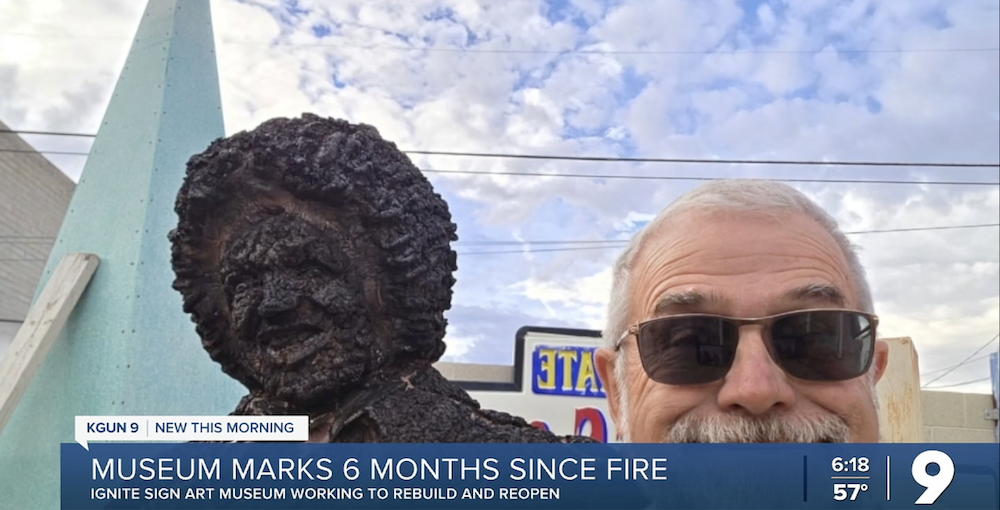
From KGUN9: TUCSON, Ariz. — Saturday, April 18th marks six months since a devastating fire ripped through the Ignite Sign Art Museum in midtown Tucson. The museum told a unique story about Tucson’s past for years, but the owner is building back now to someday light up the neon once again.
Walking inside the building, the once familiar sounds of the museum are missing. The undeniable buzz of neon and the constant blinking of lights are gone.”We really lost about 90% of the small stuff, the stuff that was valuable,” explained the owner, Jude Cook. “We have the big stuff, which is what’s, you know, the historic stuff. So we’re in good shape there, because the fire didn’t hurt that part of it.”
Beloved ice cream shop mascot damaged by high winds has been restored

From WMFZ: COOPERSBURG, Pa. — If you’ve driven along Route 309 in Southern Lehigh County, chances are you’ve seen a giant pair of red pants.
The pair of pants, and the top half of the 25-ft statue, is The Inside Scoop’s mascot Chip. Chip split at the waist back in February after a wind storm.
“It was Ice Cream for Breakfast Day and while all our customers were eating donuts and croissants and ice cream, our fallen brother, chip, it just got too cold for him and he split at the waist and he just hit the ground. It was actually kind of scary. I was here,” said employee Rocco Corradini.
Chicago’s endangered Greyhound terminal: A visual history
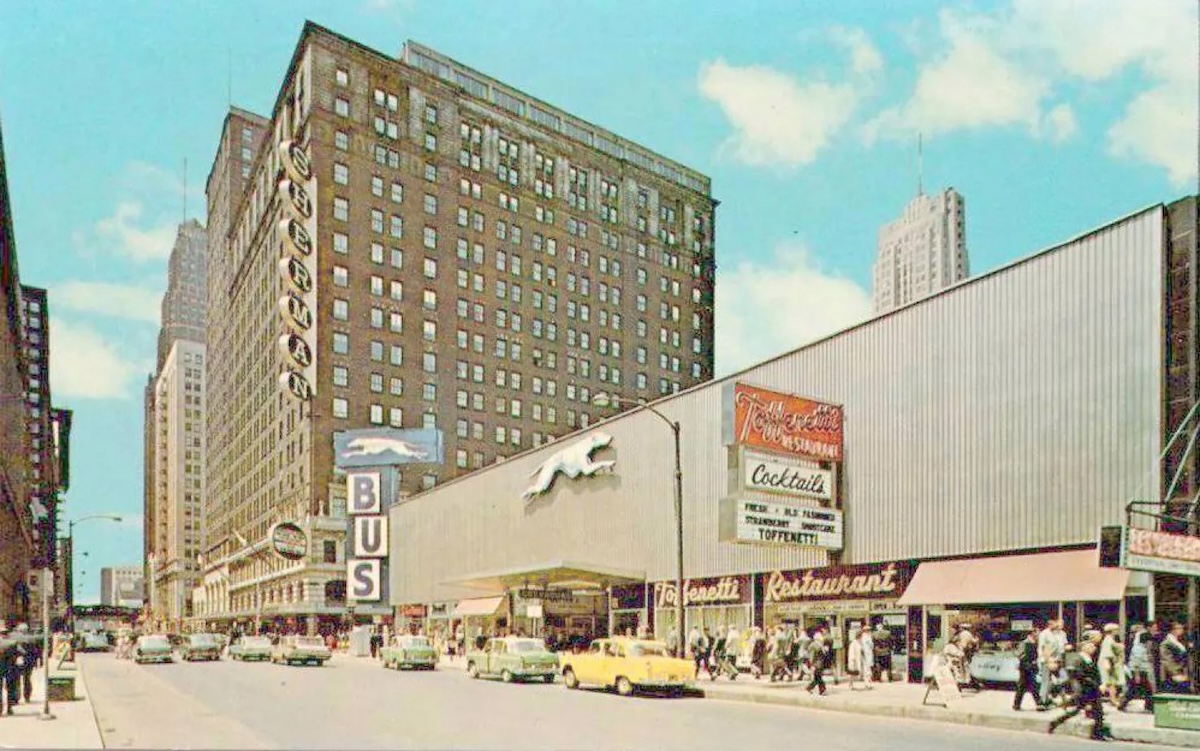
Postcard of the Chicago Greyhound station in the 1960s. John Chuckman / Chicago Nostalgia and Memorabilia
From Planetizen: For decades, Chicago’s intercity bus terminal, whose location moved several times since it first opened in 1928, has served hundreds of thousands of riders each year. Today, the terminal, owned by a real estate company, is at risk of being sold and torn down for redevelopment — a loss that would make Chicago the largest northern hemisphere citywithout an intercity bus terminal.
A 2023 brief from the Chaddick Institute explains the importance of the transit hub for low-income passengers and suggests a strategy for the city to acquire the station and operate it similarly to other public transportation facilities like rail stations and airports. After much urging from advocates to buy the property and preserve it as a transit hub, the city issued a proposal in late 2025 to do just that.
To celebrate Chicago’s intercity bus terminals, we offer a visual timeline of their history, from the first Wabash Street location to the present-day facility. Hover over the images to enlarge them or zoom in.
Appeal filed after HDLC denies demolition of Ted’s Frostop

From Preservation Resource Center of New Orleans: RCR Claiborne Venture III LLC, owned by the Robért family of Robért Fresh Market, has filed to appeal the New Orleans Historic District Landmark’s decision to deny demolition of Ted’s Frostop, one of fewer than 10 Frostop locations that remain nationwide.
The application will go before the New Orleans City Council in the coming weeks. We encourage residents to write to District A Councilmember Aimee McCarron at aimee.mccarron@nola.govand respectfully ask her to uphold the HDLC’s decision.
At the HDLC meeting on April 8, 2026, the Preservation Resource Center spoke against the demolition, noting an unfortunate pattern of dismissing midcentury modern architecture as unworthy of saving. But the more midcentury buildings we lose, the more valuable these remaining buildings become.
Route 66, a ‘Linear Museum Stretched Across Eight States,’ Turns 100

On the roof of the Dog House Drive-In, a fixture on Central Avenue in Albuquerque, a neon dachshund has been wagging its tail and scarfing sausage links since 1948. Carol Highsmith, via Library of Congress
From The New York Times: On the roof of the Dog House Drive In, a neon dachshund has been wagging its tail and scarfing sausage links for decades.
The classic animated sign — instantly recognizable to fans of the TV series “Breaking Bad” — is a fixture on Central Avenue in Albuquerque, part of old Route 66.
This year marks the 100th anniversary of Route 66, which ran for roughly 2,400 miles, from Chicago to Los Angeles (and, later, Santa Monica), and helped define the American road trip along the way.
In honor of the big birthday, many museums along Route 66 have created exhibitions exploring the role of the iconic automotive corridor in American history and culture. While some celebrate the quirky signs, tail-finned cars and oddball attractions the road is famous for, others acknowledge some of the grimmer realities of the highway. Along with dedicated Route 66 museums and centennial events, these shows unspool, and sometimes complicate, the highway’s legacy.